

Using digital technologies to change a business model and provide new revenue and value-producing opportunities. It’s the process of moving to a digital business.
Marketing in business.
Marketing in business is the strategic process of identifying, satisfying, and retaining customers by creating and exchanging value, acting as the “brains” of business strategy. It encompasses market research, product development, pricing, distribution, and promotion (the 4 Ps) to drive revenue, build brand awareness, and secure a competitive advantage.
Digital marketing in business.
Digital marketing is essential for modern business, enabling companies to reach a global audience, target specific demographics, and build brand awareness via online tools like social media, SEO, and email. It offers superior, trackable ROI compared to traditional marketing, allowing quick, data-driven adjustments to boost customer engagement and sales
Use of digital engine in marketing.
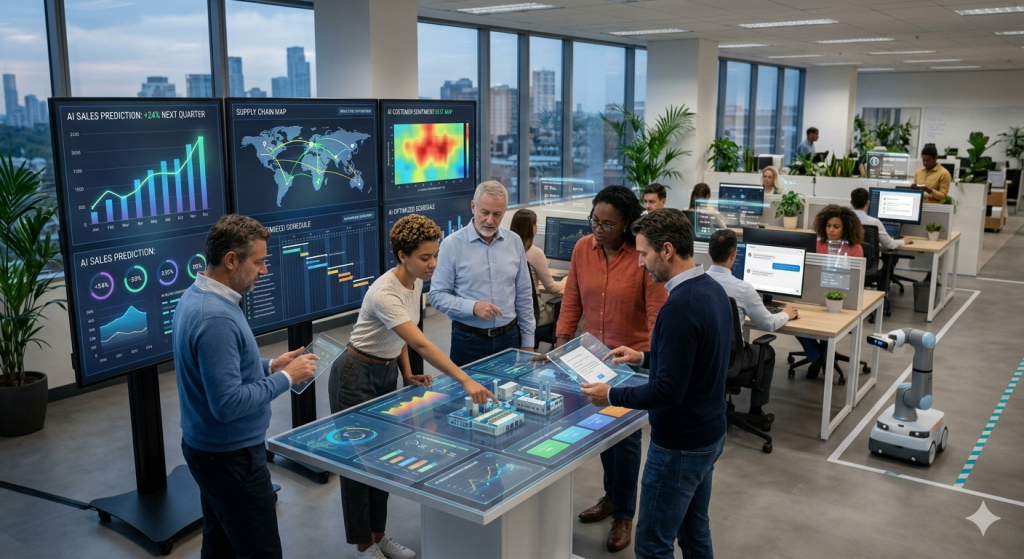
Types of Digital Engines in Business
- Marketing Automation & Search Engines: Tools such as Google Ads, SEMrush, and Mailchimp enable SEO, PPC campaigns, and email marketing to reach target audiences efficiently.
- Customer Relationship Management (CRM) Systems: Platforms like Salesforce or HubSpot track user data and manage customer interactions to drive sales.
- E-commerce & Marketplace Engines: Platforms that power transactions, such as Shopify or Amazon, allowing businesses to operate online stores and reach broader markets.
- Analytics & Business Intelligence (BI) Tools: Tools like Adobe Analytics or Google Analytics analyze user behavior to improve marketing performance.
- Digital Twins & Simulation Software: Used in manufacturing and logistics (e.g., Siemens systems) to simulate, test, and optimize processes before physical implementation.
Effects of E-Marketing in business.
- Cost-Effective Global Reach: Digital marketing reduces costs compared to traditional advertising while offering access to a global audience, allowing smaller firms to compete effectively.
- Shift to Social Selling and Influencers: Strategies now frequently incorporate social media platforms (TikTok/Instagram Shop) and influencer partnerships to build trust and drive direct sales.
- Customer-Centricity: E-business allows for tailoring products and marketing messages based on specific consumer data, improving engagement and conversion rates.
- Improved Efficiency: Technologies like AI and automation help optimize operating procedures and speed up the purchasing process, significantly increasing efficiency.